 by
by Three live exotic parrots were discovered hidden inside a vehicle attempting to cross from Mexico into the United States in southern Texas, according to U.S. Customs and Border Protection (CBP). The birds were found concealed among personal belongings during an inspection at the Laredo port of entry, highlighting ongoing concerns about wildlife trafficking at the border.
Parrots Hidden in Car at Laredo Port of Entry
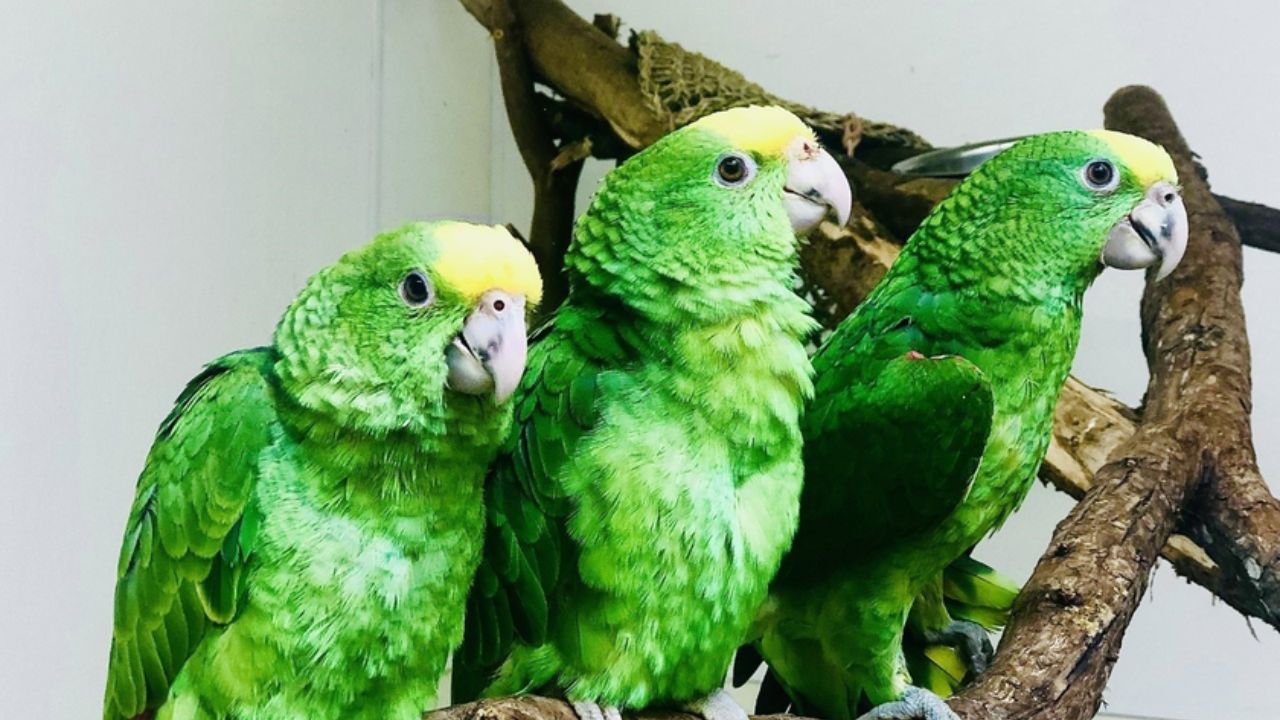
CBP officers uncovered two red-lored parrots hidden inside a car attempting to enter the U.S. from Mexico in Laredo, Texas. The birds were concealed in the occupants’ personal items in what authorities described as an illegal smuggling attempt.
The red-lored parrot, native to Central and South America, is not currently classified as endangered but is considered a declining species and is protected under federal wildlife regulations. Smuggling such animals across international borders is a serious federal offense that can result in heavy fines and possible imprisonment.
Border officials arrested both the driver and passenger of the vehicle on charges related to illegal wildlife smuggling. The parrots were safely removed from the vehicle and transferred to the U.S. Fish and Wildlife Service for further inspection and care.
Health and Environmental Risks Linked to Bird Smuggling
Authorities warn that trafficking live birds poses significant health and environmental risks. Smuggled birds may carry infectious diseases that threaten native wildlife populations and U.S. agriculture.
“Smuggling birds poses significant risks,” said Alberto Flores, Port Director in Laredo. “Birds may carry various diseases that endanger native wildlife and U.S. agriculture, which could lead to serious economic impacts.”
Beyond disease concerns, wildlife trafficking can severely harm species survival. Removing animals from their natural habitats reduces population numbers and increases their vulnerability. In some cases, continued smuggling and poaching can push species closer to endangered status.
Impact of Invasive Species on Local Ecosystems
Transporting wildlife outside their native environments can also create invasive species problems. Non-native animals may compete with local species for food and habitat, prey on native wildlife, or introduce pests and illnesses into new ecosystems.
These disruptions can damage ecological balance and result in long-term environmental consequences. Experts emphasize that preventing illegal wildlife trade is essential not only for animal welfare but also for protecting biodiversity and agricultural stability.
Ongoing Efforts to Combat Wildlife Trafficking
CBP officials stated that officers and agriculture specialists at land, air, and sea ports of entry continue to enforce strict inspections to prevent the introduction of harmful pests, diseases, and illegally trafficked wildlife into the country.
The recovered parrots are now under the care of wildlife authorities, while the investigation into the smuggling attempt continues. Officials stress that public awareness and strict enforcement remain key tools in combating illegal animal trafficking.
Why This Case Matters
This incident underscores the persistent issue of wildlife smuggling at U.S. borders and the broader environmental and economic risks tied to illegal animal trade. Even species not officially listed as endangered can face serious population declines due to trafficking.
Protecting wildlife requires cooperation between border agencies, environmental authorities, and the public to ensure that species remain safe in their natural habitats.